Experience Asia: A deep dive into the fierce beer competition at the China International Beer Challenge 2025
This is not just a competition, but a beer battlefield that brings together the best talents from across Asia in Beijing! The China International Beer Challenge (CBC) is being held for the 8th consecutive year in Beijing, China, and has reaffirmed its status as the largest beer competition in Asia with over2,700 samples(2,100 Commercial and 600 Homebrew). As the first BJCP Certified Beer Judge from Thailand to receive this prestigious opportunity, I will take you behind the scenes of the intense judging process and reveal the challenges that make this event truly "grand."

Promotional poster of the event
Who are the judges of Asia's beer?
This battlefield features 72 experts in the beer industry, including Brewers, Brewmasters, Certified Cicerones, and BJCP Certified Beer Judges from various countries across Asia, including China, Hong Kong, Singapore, Korea, Germany, Sweden, Italy, Belgium, Spain, the United States, and Thailand, among others. But what makes CBC different is the diversity of "Chinese-Style Beer"which is categorized as a special group for judges to experience the unique flavors of China.
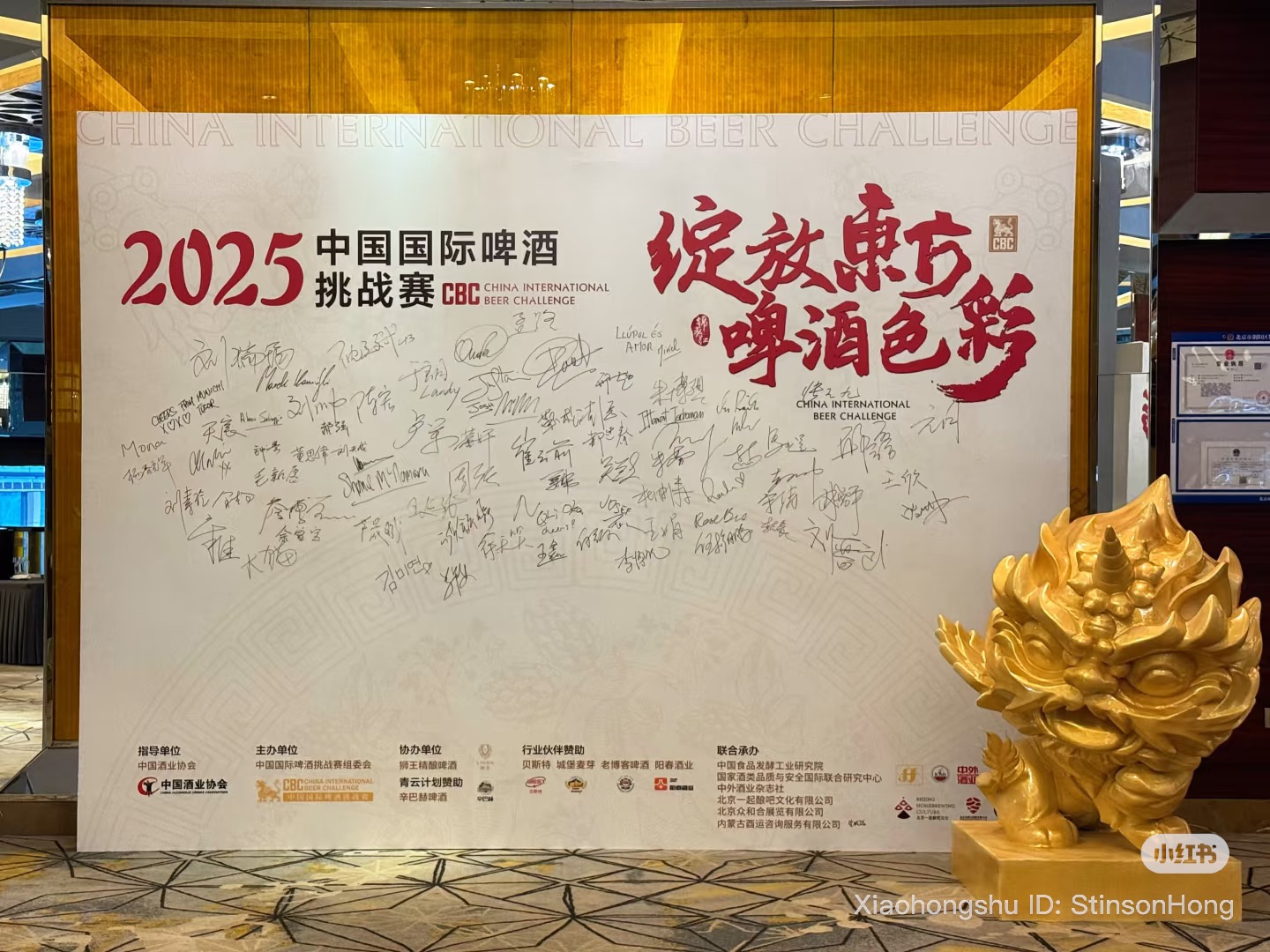
Signature images of the judges on the backdrop at the judging room entrance
The categorization and types of beer
The judgment will use a Guideline Manual that has been written based on globally accepted standards, with the addition of special styles popular in China. The styles of beer are divided into 14 groups out of a total of 78 styles.
3. International Lager
17. Witbier
18. Flavored Witbier
19. Weizen
20. Dunkel Weizen
21. Weizenbock
22. Flavored Weizen
23. American-Style Wheat Beer
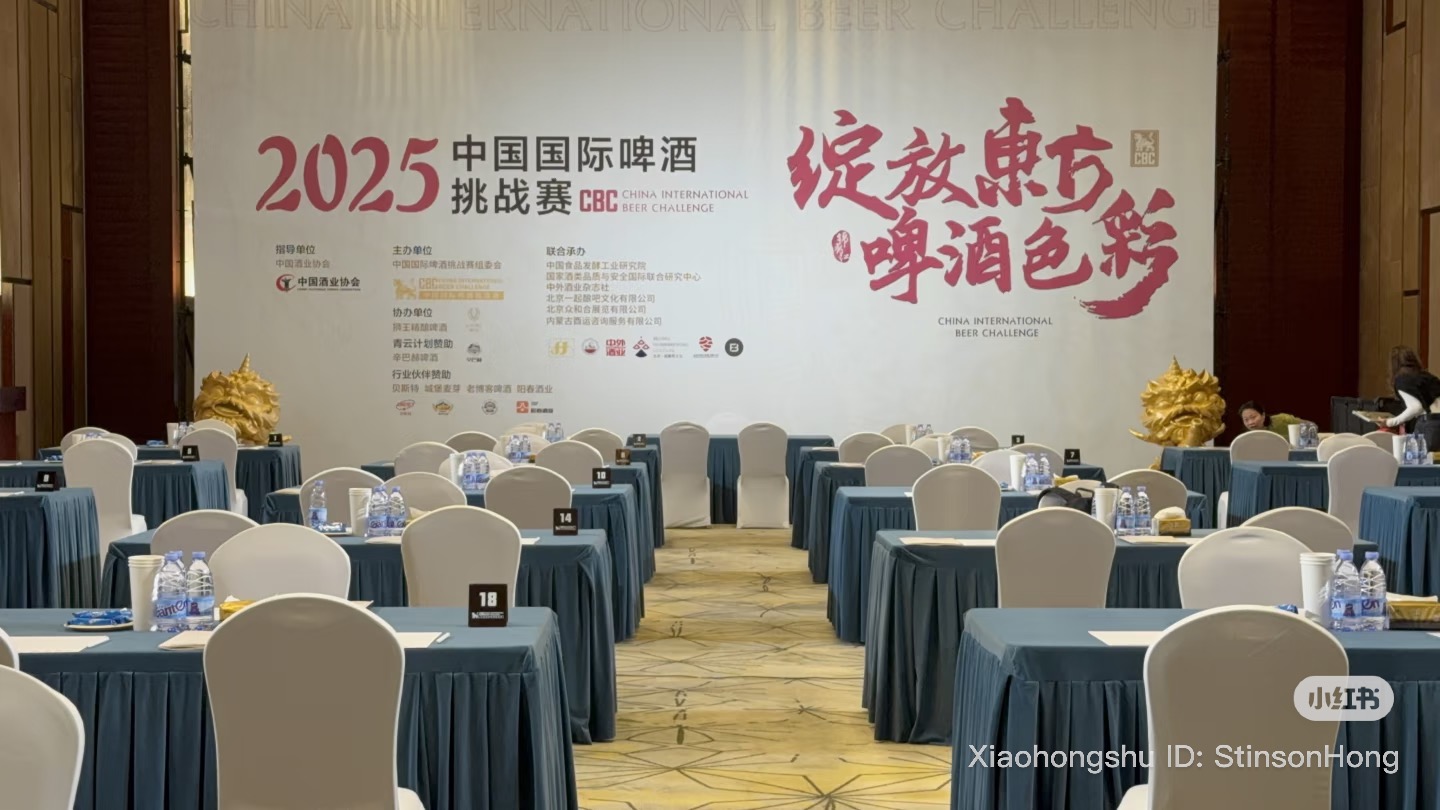
The atmosphere inside the judging room
A group of beers to watch closely (The Highlights)
There is a group that is different from other competitions that is interesting, which is
Group I. Chinese Style Beer, which includes beer styles that blend Chinese ingredients and culture, consists of
56. Chinese Style Grain Beer
57. Chinese Style Spice Beer
58. Chinese Style Flower Beer
59. Chinese Style Fruit Beer
60. Chinese Style Hops Beer
61. Chinese Style Traditional-Tea Beer
62. Chinese Style Special-Processed Beer and Other Chinese Style Beer
Group K. Flavored Beer, a group of beers full of creativity that allows brewers to showcase their skills, consists of
69. Wood-Aged Beer
70. Smoked Beer
71. Fruit-Flavored Beer
72. Spice-Flavored Beer
73. Coffee/Chocolate-Flavored Beer
74. Other Flavored Beer
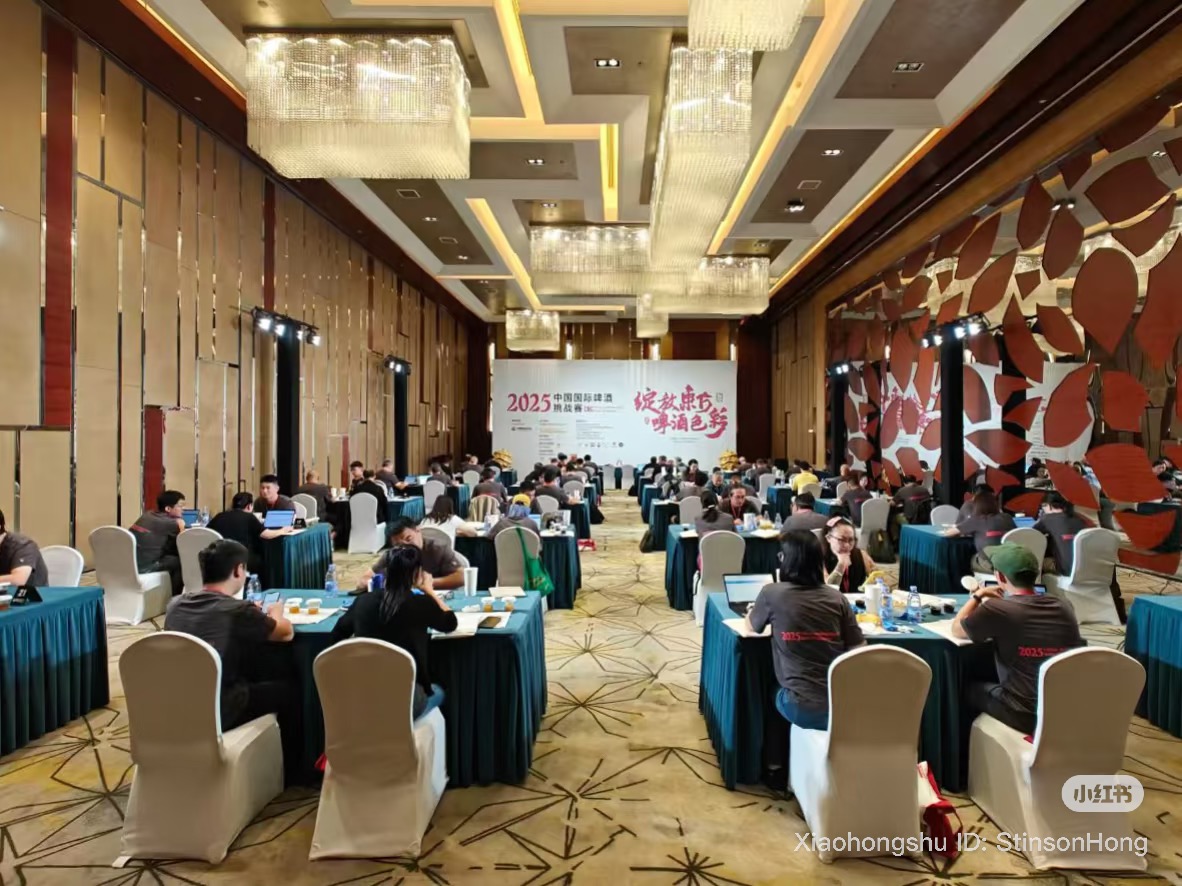
The atmosphere inside the judging room
Blind Test: A rigorous judging system
All judging is conducted in a 100% Blind Test Judges are divided into 24 tables, with 3 people per table, and 1 judge as the table head. The pouring and serving of beer is conducted by 24 stewards (equal to the number of judges' tables to reduce errors and facilitate easy verification). Judges are not allowed to see the packaging and labels of the competing beers. Stewards will serve the beer in flights, with 1 flight consisting of 3 samples of beer. The number of flights and the spacing in serving each flight will be managed by 1 Head of Steward.

Images of the judging guide and equipment used for judging
Star rating criteria: from 1 to 5 stars
Judging is divided into 2 rounds Round 1: Taste and score each beer (The scores received in this round will determine whether the beer will receive a 1-3 star award. In Round 2, beers that score 37 points or higher (receive a 3-star award) will advance to this round, and if selected in this round, they will receive a 4-star award, or if they receive the highest score and have innovation, they may be considered for a 5-star award.
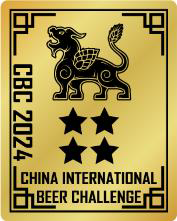
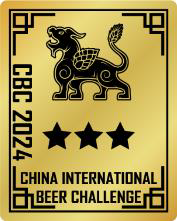
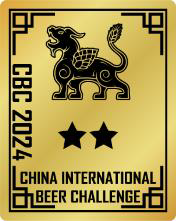
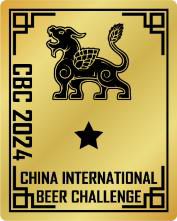
Image showing 1-4 star awards
The judging criteria for Round 1 are as follows:
30-32 points: 1 star award
33-36 points: 2 star award
37 points and above: 3 star award
*If submitted in the wrong category, the maximum score will be 29 points (no eligibility for awards).
In the judging of Round 2 If selected from the same group, a 4-star award will be given.

The atmosphere inside the judging room
Scoring:
This year, CBC has upgraded the scoring by switching to a digital system through a full website instead of writing a score sheet for speed and to reduce paper use. The total score is 50 points, and the scoring is divided into 7 sections as follows:
1. Aroma: 10 points
2. Appearance: 5 points
3. Flavor: 20 points
4. Mouthfeel: 5 points
5. Overall: 10 points
6. Off-Flavor
7. Comment and Feedback: Must include at least 50 words.
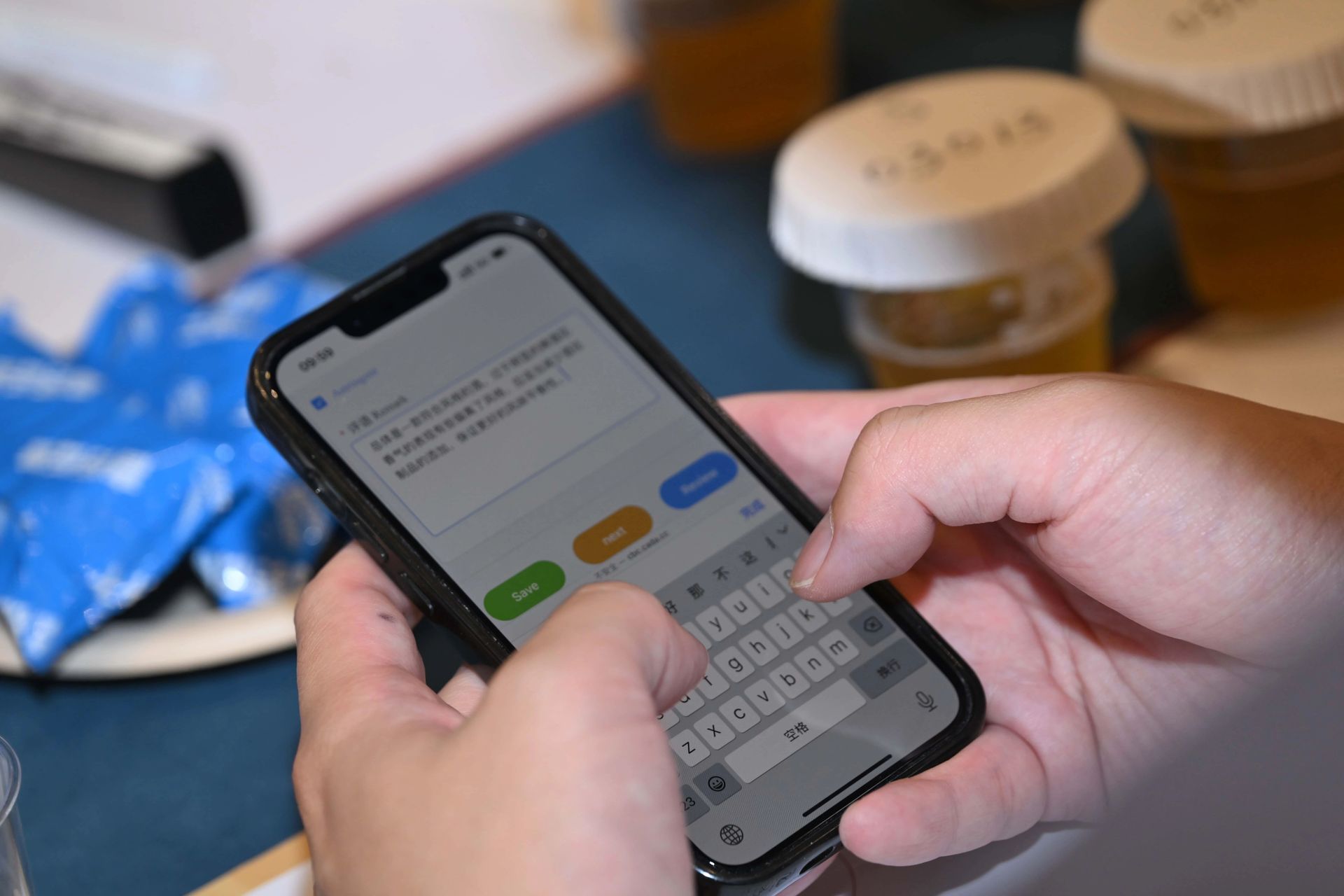
Image of judges using the scoring system through the website.
When the judge enters the code for the received beer sample, the necessary information about the beer will be displayed to the judge, such as Beer Style, %ABV, OG, FG, and Special Ingredients. Once each judge has finished scoring one beer and presses save, all three judges at the table will be able to see the scores and comments from the other judges at the same table.
"
The tipping point of scoring: If the scores from the judges at the table differ by more than 5 points, everyone must discuss to adjust the scores to be in the same direction, which shows the seriousness in finding the "perfect flavor".
"
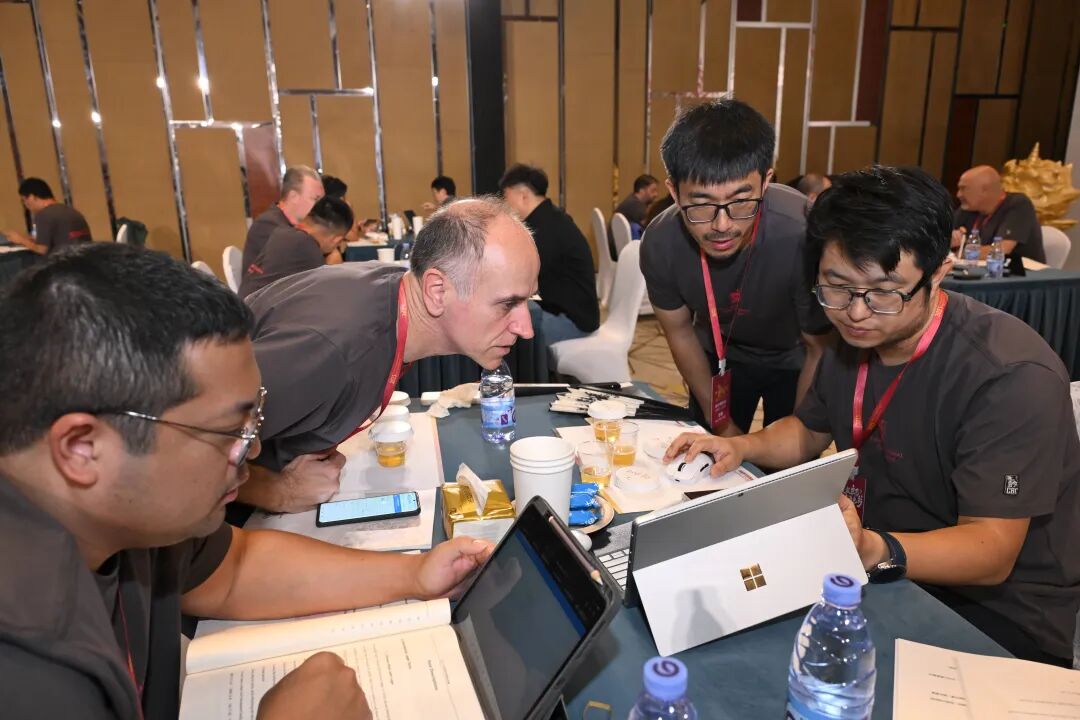
Image during the judging process and seeking additional advice from the competition organizers.
If a decision cannot be made, the head judge will make the decision (or may seek additional advice from the competition organizers). Finally, the head judge will review and submit the scores (at this stage, each judge will no longer be able to modify their scores or comments).


Image of the scoring system via the website.
Judging experience: The challenge in 7 minutes.
The real challenge is 'time'. The judging table is locked at 5-7 minutes per beer sample. Which is twice as fast as the experience I have had! Judging about 50 commercial beers on the first day made every second count. Even though I had prepared quite well, I still felt a bit anxious because it usually takes 12-15 minutes per beer. But I steeled myself and thought I had to do my best.

Image of the beer samples used for judging.
Day 1: Focus that needs to be steady:
Each table has 3 judges, and my table has a Chinese and an Italian judge. Before we started judging, the Head of Steward informed us that on the first day, we would be judging all Commercial beers. The judges must log in to the website using their own codes and enter the codes of the beers received. When the Steward started serving the beers, the previous conversations among the judges at each table, who had just met and introduced themselves, fell silent. In the morning, almost all the beers received were of the Lager style, and in the afternoon, they were of the Bock Beer and Wheat Beer styles. At the beginning of the judging, the other 2 judges mostly had similar opinions, but their score ceilings differed. The Chinese judge, who was the head judge, explained and helped adjust the scores to be more aligned. Throughout both the morning and afternoon sessions, each lasting 3 hours, we had to make quick decisions under pressure, making the most of our time. After each beer was finished (5-7 minutes), the Steward immediately served the next one. Without having to call, the scoring system on the website ran smoothly and significantly reduced the time needed to write the Score Sheet.

A picture of the Chinese and German judges sitting at the same table.
Day 2: A challenging stage:
The judges will switch tables. The number of beers to be judged today is about 40-45, including Homebrew. Today, the other 2 judges are both Chinese, communicating only in English, with some help from Google Translate, but it was not a barrier at all. This morning started with intense beers like Imperial Stout, Barley Wine, and Belgian Golden Strong Ale, which was quite a heavy session. As we reached the halfway point, the Steward began serving the next flight while we were still not finished with the flight we were judging. We only realized we were taking too long when the third flight was waiting on the table. The Head of Steward came over to ask with concern if we were having any issues. We all shook our heads and quickly proceeded with the judging, and we barely made it through the morning session.

A sample picture of the beers used for judging in the second round.
The afternoon of Day 2 was the most fun!
We tasted beers in the group. Chinese Style Beer Full of creativity and innovation Chinese tea(Oolong tea, black tea, green tea, flower tea) as an ingredient in various styles of beer opens up a world and shows how local ingredients can elevate the beer industry to great heights, and the hottest flower is the fragrant flower.
Continuing with Sour Beer, Fruit Beer, Flavored Beer, the fruit will be Extract because we have Flavored Beer, followed by about 18 Homebrews, most of which have low levels of Oxidation Diacetyl, which is considered very good, with no heavy Off-flavors encountered. We must commend the creativity in using "Chinese tea" as an ingredient in various styles of beer. It was a very enjoyable tasting, and this afternoon we had to judge several styles of beer. Although the beer was not difficult to drink, we had to be particularly focused. The afternoon ended a bit tired but very fun.

Atmosphere during the judging in round 2
Round 2: Deciding for the 4-star award (Conflict of Interest-Free)
International judges and Chinese judges who have no involvement in the industry in China, a total of 21 people, were selected for round 2 to judge the 4-star award to reduce conflicts of interest. The judging in this round focused on tasting and discussion without scoring, it was merely to conclude which beer is the best in that style.
In this round, I sat at the table with 2 other Chinese judges and judged only 3 styles: Chinese-Style Fruit Beer, Chinese Style Traditional-Tea Beer, and Chinese-Style Hops Beer, selecting 3 beers from 8 in each style to award 4 stars, which took about 45 minutes to complete.

Atmosphere in the judging room before the event started
Behind the smoothness: Professional management
This year, more than 2,700 beers were submitted for competition, with each beer required to submit 3 bottles/cans. Upon receiving the beer samples, they are immediately stored in a cold room and transported in temperature-controlled vehicles to the judging location. On the judging day, the competition venue is a hotel. The sample beers are stored in a separate room from the judging room, and judges are strictly prohibited from entering the beer sample storage room.


Image inside the Steward's room used to prepare beer before serving.
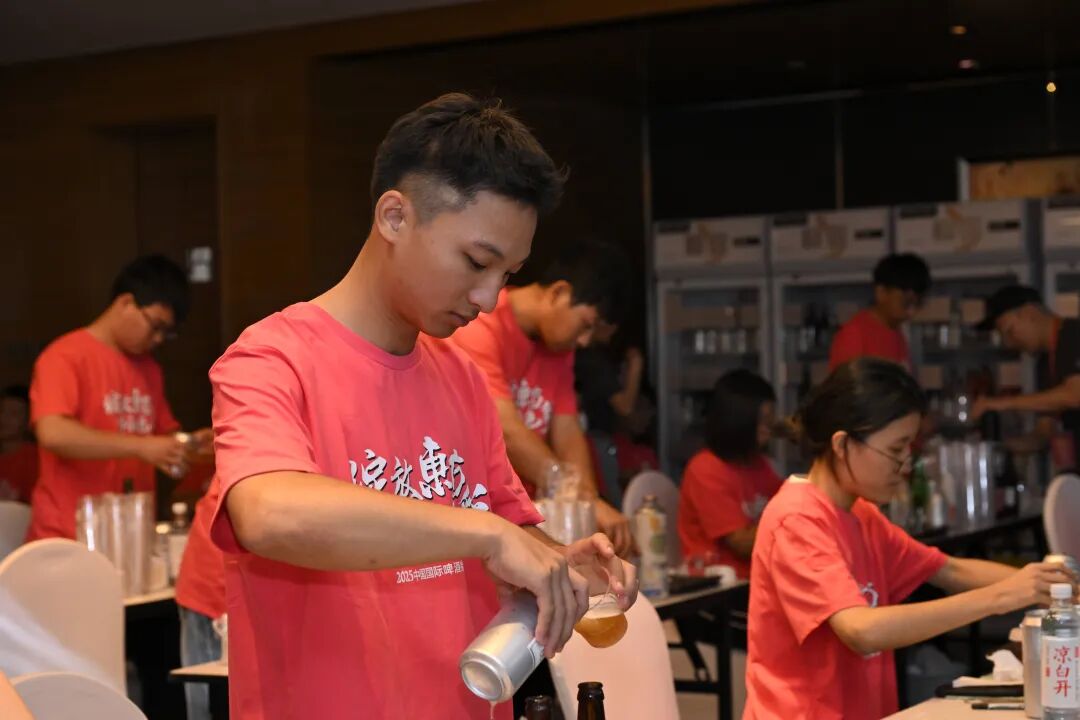
Image of the Steward preparing beer for serving.
Inside the beer storage room, there are many refrigerators lined against the walls on all sides used to store beer samples categorized and arranged by beer code. In the center of the room, tables are arranged for Stewards to work and pour beer, with the number of tables equal to the number of judges' tables, one Steward per judge's table. The back-of-house preparation area for Stewards is organized and orderly to prevent confusion and allow for easy traceability in case of errors.
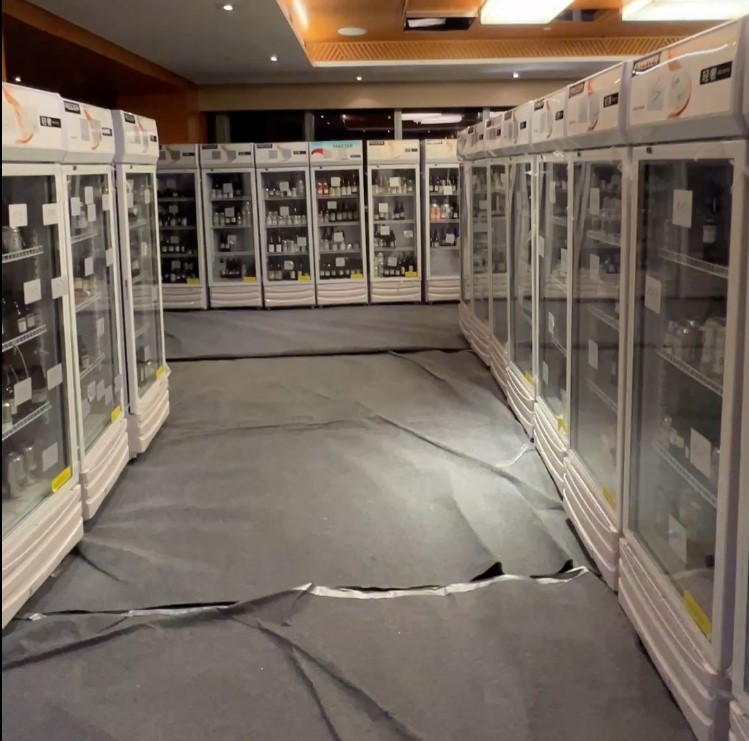
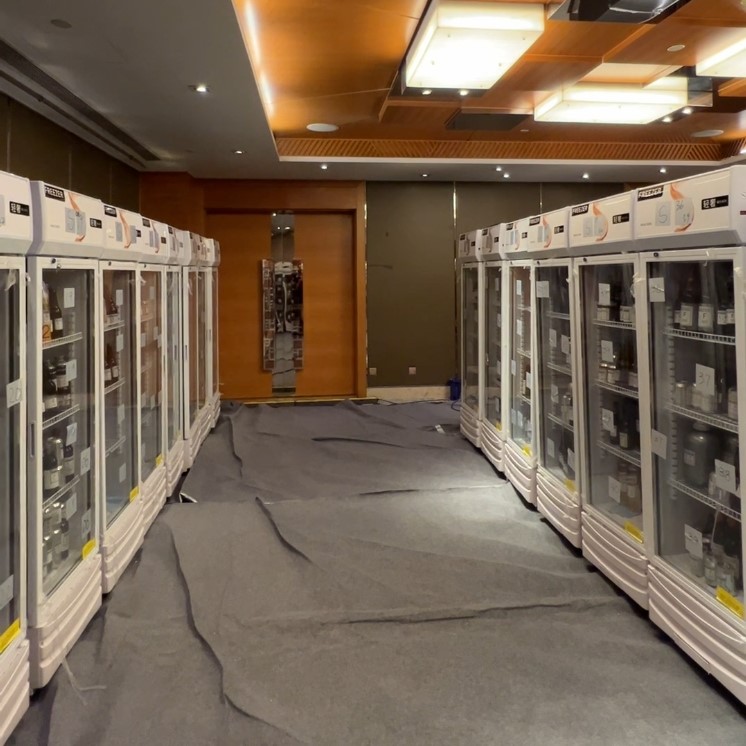
Image inside the storage room for all beer samples submitted for competition.
The key element that makes this event run perfectly is
back-of-house management.
- Storage: Over 2,700 samples of beer are stored in the cold room. And in the sample storage room, access is strictly prohibited for judges.
- Steward accuracy: One Steward is assigned per judge's table, and everyone is trained to serve beer according to a strict schedule of 7 minutes. This ensures that the event schedule is followed remarkably.

Backdrop and Mascot images of the event in front of the judging room.
Closing: An inspiring summary.
This experience is about pushing boundaries. I have met and worked with top experts from around the world, tasted beers that use new creative ideas, and proven that even within limited time, we can provide fair and quality judgments.
I hope this experience will helpinspireThai craft beer producers to dare to step out of their comfort zones and submit their works to the global stage, to promote Thai beer flavors to be recognized in the Asian and global markets!
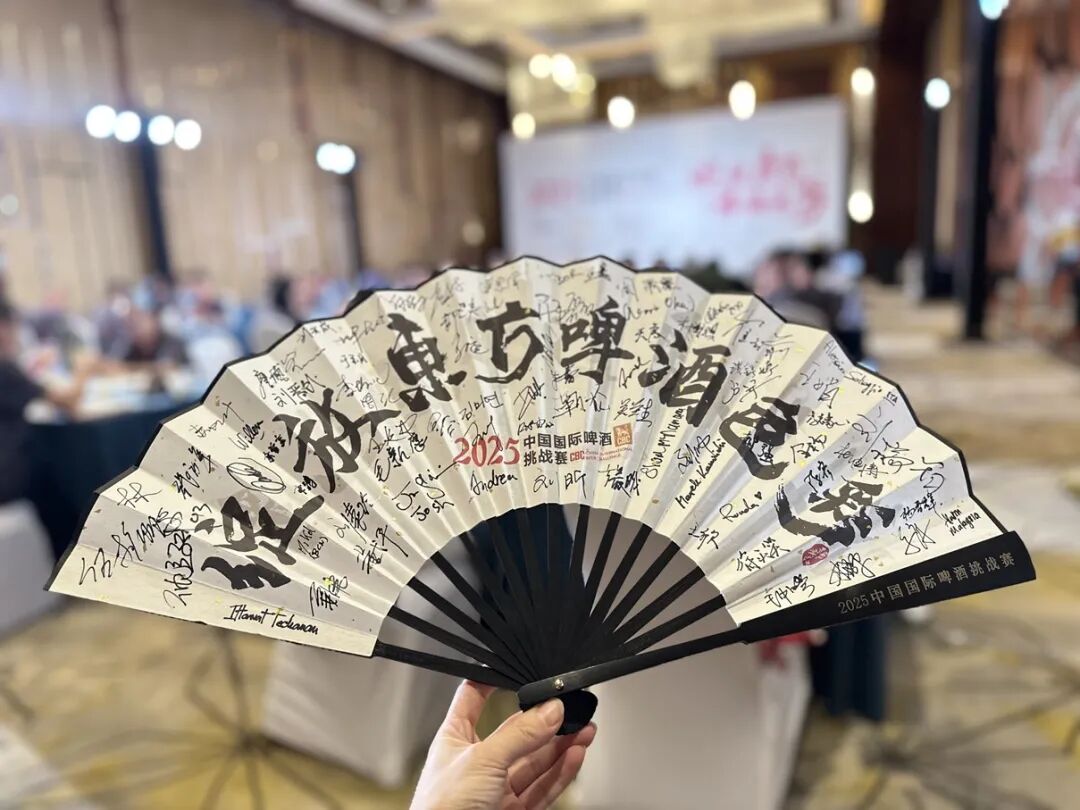
A commemorative fan with the signatures of all the judges.
"
I would like to commend the CBC 2025 organizing team for their professionalism.
And for managing such a large-scale competition smoothly.
Truly deserving of being the greatest competition stage in Asia.
"
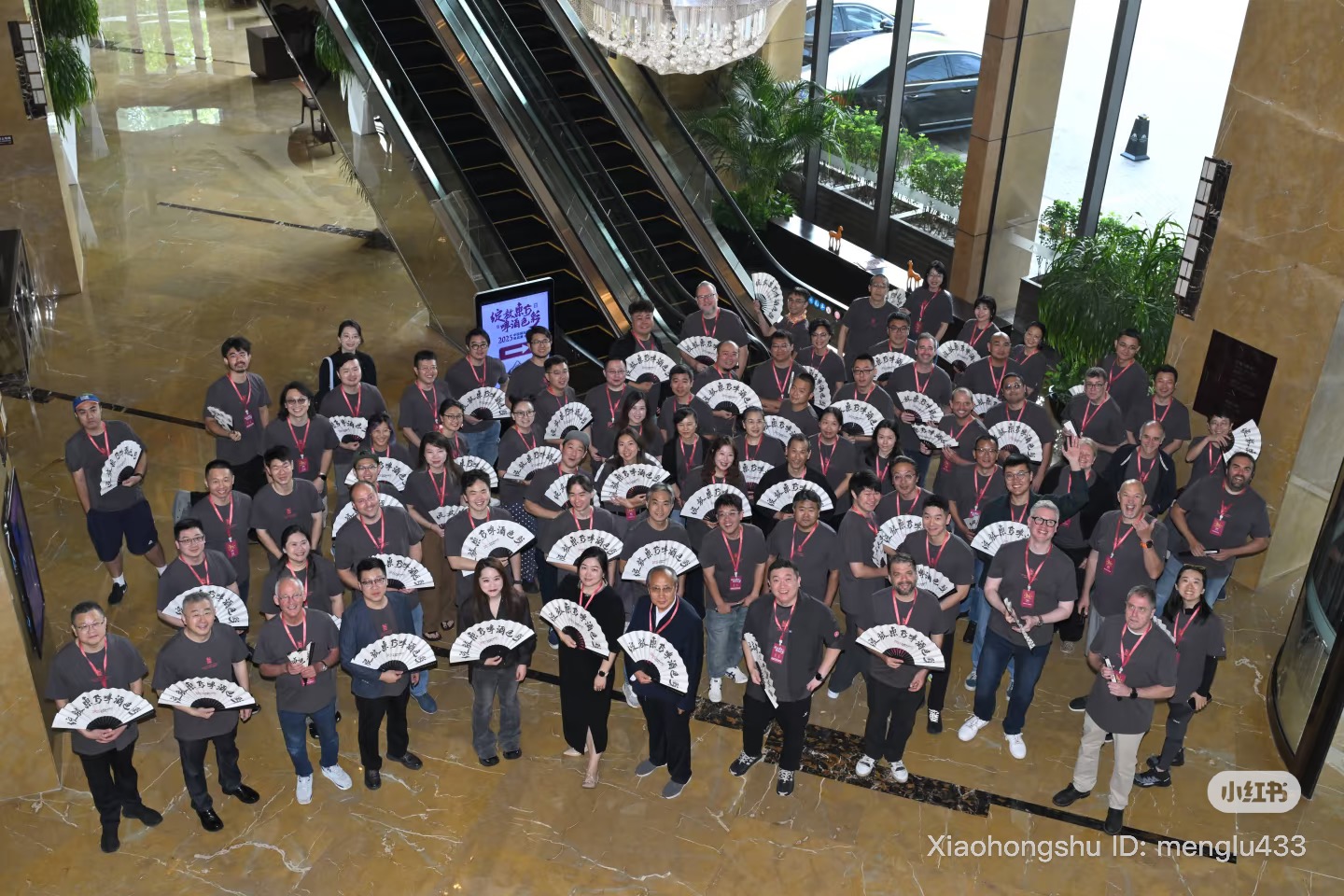
A group photo of the judges before the judging begins.
Finally, I would like to thank the organizers for the opportunity, and thank the Thai beer brand owners who supported part of the expenses for this trip by entering their beers into the competition. I sincerely hope to work together again in future opportunities.
Reference:http://cbc.cada.cc/en/
Photos: CBC, Menglu, Ittawat